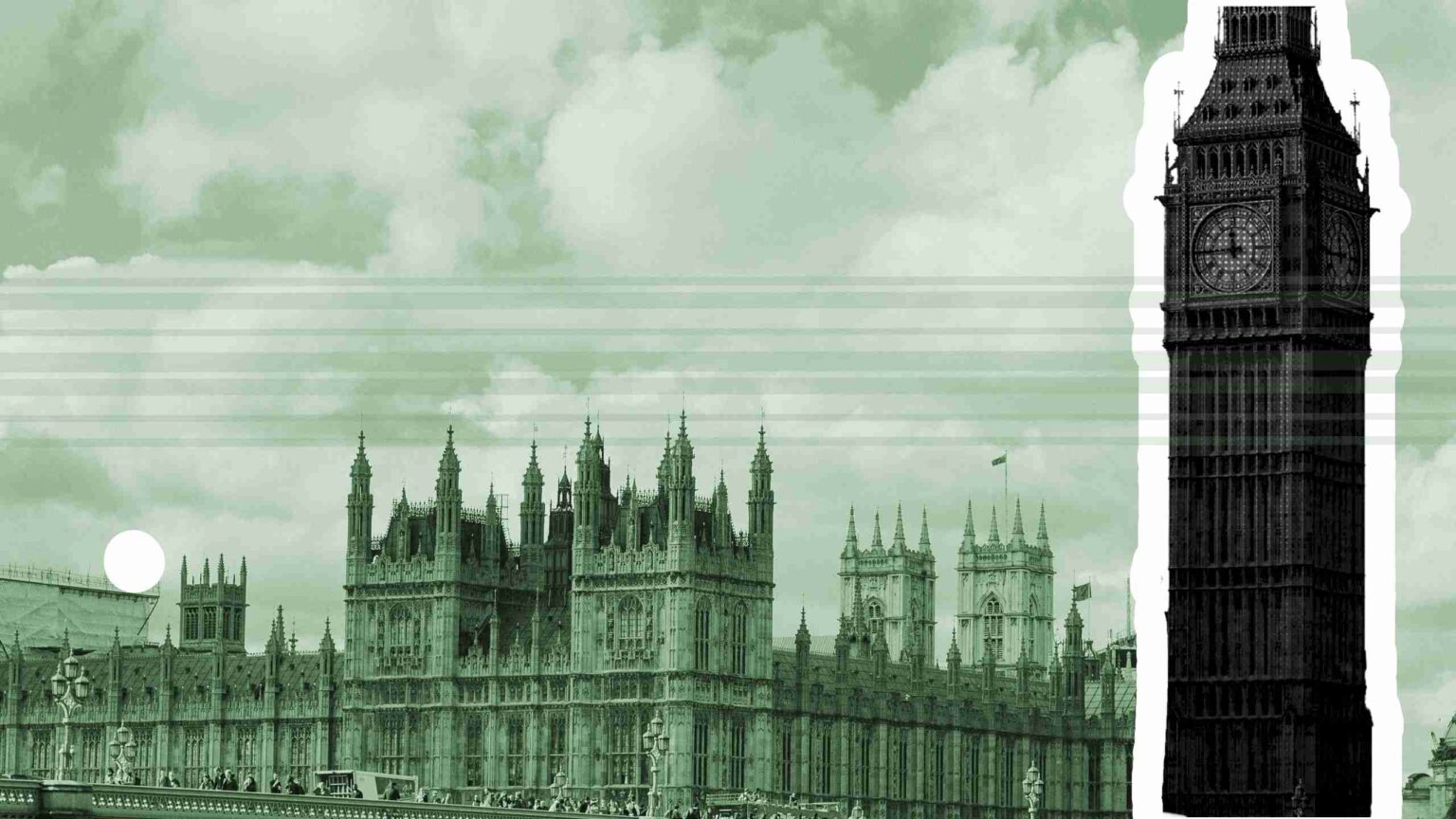

Dozens of hereditary peers are set to lose their seats in the House of Lords after Parliament approved legislation ending the centuries-old right to sit and vote in the upper chamber by virtue of inherited titles.
The House of Lords (Hereditary Peers) Bill removes the remaining hereditary peer places that have existed since a compromise reached during the reform of the Lords in 1999. The change marks the final stage of a reform process that began more than 25 years ago when most hereditary peers were removed from Parliament under legislation introduced by Tony Blair’s government.
Once the legislation takes effect, hereditary peer by-elections will also end. Those elections currently allow hereditary peers to replace departing members from among their own ranks, maintaining the remaining hereditary presence in the Lords.
Ending the remaining hereditary peer seats
Before the House of Lords Act 1999, several hundred hereditary peers held the automatic right to sit and vote in the upper chamber. That legislation removed the vast majority of them but allowed a limited number to remain as a temporary compromise while further constitutional reform was considered.
Under the arrangement, up to 92 hereditary peers continued to sit in the Lords. Most were elected by hereditary peers themselves to fill vacancies when one of the remaining members died or retired.
The new legislation removes these remaining places and brings the transitional system to an end. Up to 92 hereditary peers will therefore leave the House of Lords when the reform takes effect at the end of the current parliamentary session.
The change means the House of Lords will in future consist primarily of life peers appointed under the Life Peerages Act 1958, alongside the bishops who sit as Lords Spiritual.
Government position on the reform
Ministers say the reform fulfils a commitment made in the Labour Party’s election manifesto to remove the hereditary principle from the UK legislature.
The Leader of the House of Lords, Baroness Smith of Basildon, said the legislation reflects the view that individuals should not hold a parliamentary role solely because of inherited status.
According to the government, the measure completes the reform originally envisaged in 1999 when hereditary peers were first removed from the chamber. Ministers have described the bill as a step towards a more modern second chamber, although it does not introduce wider structural reform of the Lords.
Political compromise over life peerages
The bill was passed following negotiations between the government and opposition parties in the House of Lords.
Reports indicate that some hereditary peers may be offered life peerages, allowing them to remain in the chamber despite the removal of hereditary membership. The final number of such appointments will be decided by the prime minister following recommendations from party leaders.
Under the reported arrangement, a limited number of hereditary peers currently aligned with the Conservative Party could return to the Lords as life peers once the reform takes effect. In exchange, opposition peers withdrew attempts to prolong parliamentary disputes over the legislation.
The compromise also coincides with discussions about reducing the size of the House of Lords through voluntary retirements among existing life peers.
Historical role of hereditary peers
Hereditary peers have played a central role in the UK Parliament for centuries. Historically, membership of the House of Lords passed through noble families, with titles and legislative roles inherited across generations.
Although most hereditary titles pass through the male line, a small number have been inherited by women. Over time, however, the hereditary principle has increasingly been viewed as inconsistent with modern democratic governance.
The removal of the remaining hereditary peers therefore marks the end of a parliamentary arrangement that has shaped the composition of the upper chamber for hundreds of years.
Possible future reforms to the House of Lords
While the legislation focuses specifically on hereditary peers, ministers have indicated that further reforms to the House of Lords may be considered in future.
Possible measures discussed in policy debates include introducing a retirement age for peers, establishing minimum participation requirements for members, and addressing the overall size of the chamber, which currently exceeds 800 members.
For now, however, the government has framed the hereditary peers bill as a targeted constitutional reform designed to remove the last remaining seats based on inherited titles rather than merit or appointment.
Constitutional significance
From a constitutional perspective, the legislation represents the final dismantling of the hereditary principle in the UK legislature.
The House of Lords will remain an appointed chamber, but the removal of hereditary peers closes a long-standing transitional arrangement that has remained in place since the House of Lords Act 1999.
Author

Gill Laing is a qualified Legal Researcher & Analyst with niche specialisms in Law, Tax, Human Resources, Immigration & Employment Law.
Gill is a Multiple Business Owner and the Managing Director of Prof Services - a Marketing Agency for the Professional Services Sector.