
Police Vehicle Seizure Powers: When Your Car Can Be Taken
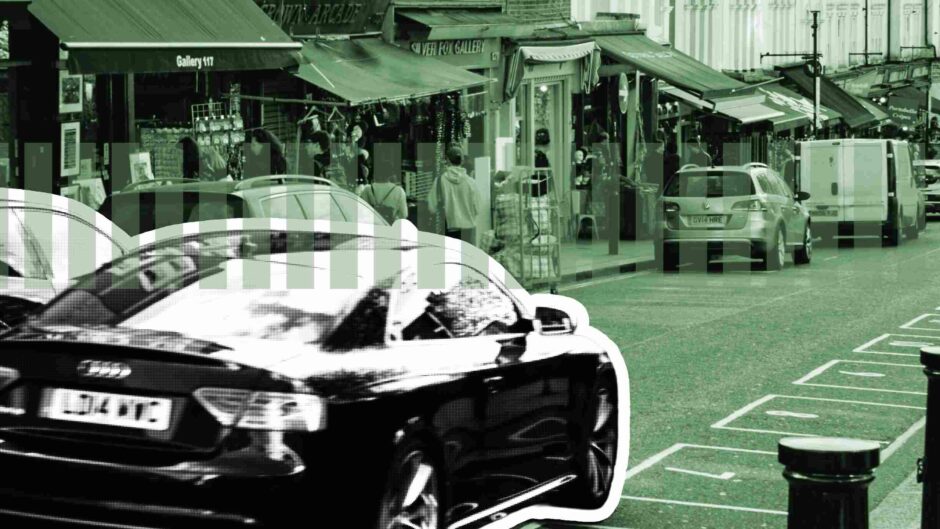
Police vehicle seizure powers are one of the most immediate and disruptive enforcement tools available under UK motoring law. Unlike penalty points or fines, seizure operates in real time. The vehicle is physically removed, often at the roadside, leaving the driver without transport and facing recovery costs, storage fees and potential prosecution. For many motorists, […]
Motor Insurance Law UK: Offences, Penalties & Enforcement
Motor insurance is not a financial product choice or a risk-mitigation preference. In UK law, it is a statutory condition of lawful vehicle use, enforced through criminal sanctions, automated detection systems and strict liability offences. The core framework sits in Part VI of the Road Traffic Act 1988, which makes it unlawful to use a […]
Driving While Disqualified: Prison Risk & Sentencing UK
Driving whilst disqualified is one of the most serious motoring offences in UK law, yet it is frequently misunderstood by drivers who assume it is simply an extension of an existing ban or a technical breach of licensing rules. In reality, it is a standalone criminal offence that courts treat as a direct challenge to […]
Driving Disqualification UK 2026: When You Lose Your Licence
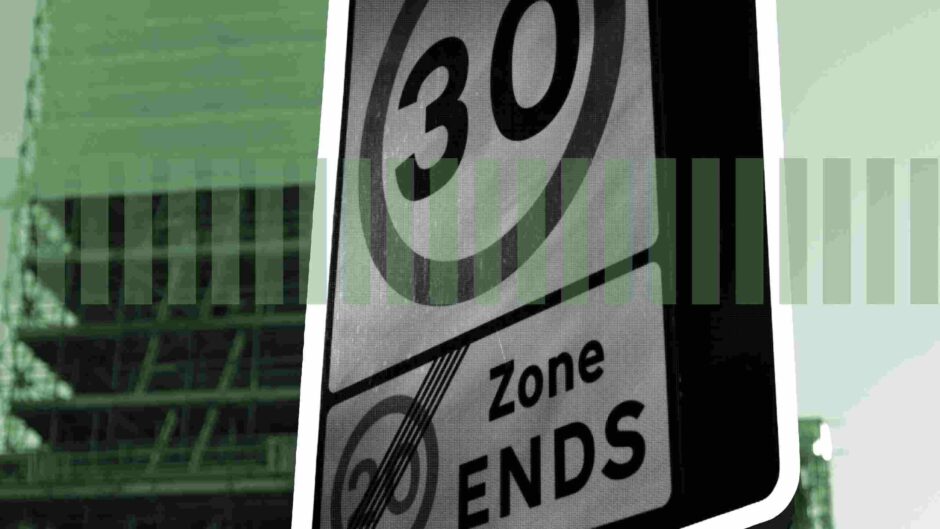
Driving disqualification is one of the most serious sanctions that can be imposed on a motorist under UK law. It removes a person’s legal entitlement to drive and exposes them to criminal liability if they continue to use a vehicle on public roads. For many drivers, a ban has consequences far beyond the courtroom, affecting […]
UK Driving Test Law: Licence, Points and Risk 2026
The UK driving test is commonly understood as a practical assessment of driving skill, but in legal terms it performs a much more significant function. It operates as the primary gateway to lawful, independent use of a motor vehicle on public roads, determining whether a person may hold a full driving licence and, by extension, […]
Vehicle Inspection Law UK: Police, DVSA Powers & Penalties
Motoring law in the UK does not treat vehicle condition as a secondary issue. The legal requirement to keep a vehicle roadworthy applies at all times and is enforced actively through roadside inspections, statutory powers and post-incident examination. A vehicle inspection is therefore not a routine inconvenience or a consumer check. It is a legal […]
India Young Professionals Scheme UK Ballot Dates Confirmed for 2026

The UK Government has confirmed the opening dates for the next India Young Professionals Scheme (IYPS) ballot 2026, setting out when eligible Indian citizens can register for a chance to apply for this highly sought-after UK visa. The ballot system remains a mandatory first step. Anyone hoping to apply under the scheme in 2026 needs […]
DVLA Rules Explained: Licence, Vehicle & Legal Risks 2026
Motoring law is enforced in real life through records. That is where the DVLA matters. For many drivers, the DVLA feels like an administrative body you deal with when you move house, buy a car or renew paperwork. In legal terms, it is more than that. DVLA licensing and vehicle records underpin roadside enforcement, fixed […]
DVSA Explained 2026: Tests, Enforcement and Driver Law
The Driver and Vehicle Standards Agency (DVSA) plays a central but frequently misunderstood role in UK motoring law. While many drivers associate the DVSA only with driving tests or MOTs, its legal remit extends far beyond administration. The DVSA sits at the intersection of licensing standards, vehicle roadworthiness, enforcement practice and public safety, with powers […]
Traffic Signs Regulations and General Directions 2016
Motoring law in the UK is not enforced solely through Acts of Parliament or court judgments. In day-to-day driving, the law is most often communicated, applied and enforced through traffic signs, signals and road markings. These are not informal indicators or suggestions. They are legal instruments with direct consequences for licence status, insurance liability and […]
Road Vehicles (Construction and Use) Regulations 1986 Explained
Motoring law is not limited to how you drive. It also governs whether the vehicle you are using is legally fit to be on the road at all. For private motorists, riders and vehicle keepers, this distinction matters because many everyday driving offences do not arise from dangerous manoeuvres or speeding, but from the physical […]